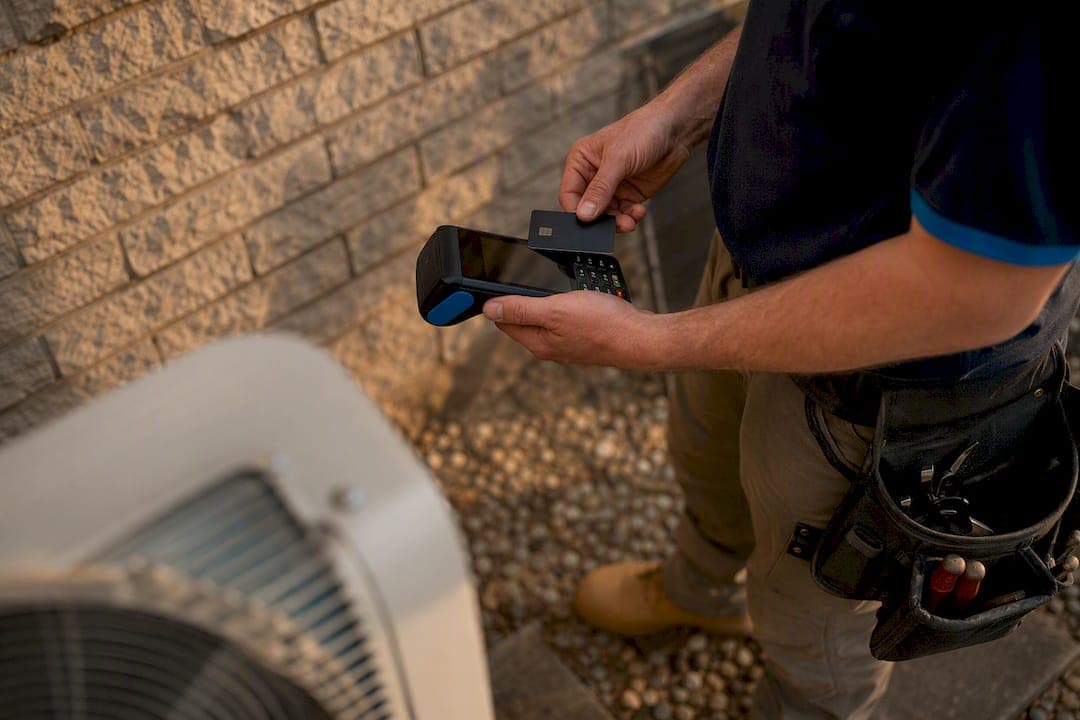
Stripe's headline domestic card rate in Australia is 1.75% + A$0.30 per transaction, and Stripe adds 10% GST on top of that fee for every Australian account. On an A$100 sale, you pay an A$2.05 fee plus A$0.21 GST, leaving a net payout of A$97.75. International cards cost more, and currency conversion adds a separate charge in addition to that surcharge. For businesses taking online bookings or recurring subscription payments, this structure is predictable and easy to automate.
- Domestic card: 1.75% + A$0.30 (pre-GST)
- International card: additional surcharge applies, plus FX conversion fee if the currency differs
- A$100 sale: approximately A$2.05 fee plus GST on fees, leaving net payout slightly less than A$98
Key Takeaways
Stripe's Australian domestic card rate of 1.75% + A$0.30 plus 10% GST on fees is predictable, but your actual cost depends on payment method mix and transaction size.
| Point | Details |
|---|---|
| Know your effective rate | Domestic cards cost 1.75% + A$0.30 pre-GST, roughly 2.3% effective on a A$100 sale after GST. |
| Use BECS for large invoices | BECS Direct Debit is capped at A$3.50, far cheaper than cards for high-value jobs. |
| Claim GST on fees monthly | Export Stripe's tax invoice each month and claim the GST component on your BAS. |
| Price in the fixed fee | Build the A$0.30 flat component into minimum job pricing to protect margins on small callouts. |
| Match provider to sales channel | Stripe suits online bookings and subscriptions; Square or Zeller often suit face-to-face trades work. |
Table of Contents
- Stripe payment processing fees by method in Australia
- How GST applies to Stripe fees and what you claim back
- Why your bank deposit doesn't match your sales figure
- Other Stripe services and their extra charges
- Stripe vs PayPal vs Square vs Zeller in Australia
- Cutting your effective payment costs
- How MyAirCare and Stripe work together to cut admin
- The real cost story isn't the headline rate
- Frequently asked questions
- Sources
Stripe payment processing fees by method in Australia
Your total cost depends heavily on which payment methods your customers actually use, not just the headline rate. Stripe's Australian pricing lists separate rates for cards, bank debits, and newer account-to-account options, and the gaps between them are wide enough to change how you structure invoicing.
Domestic cards sit at 1.75% + A$0.30 before GST. Once you add the 10% GST that Stripe applies to Australian accounts, the effective cost on a A$100 transaction lands just under 2.3%. International cards carry an additional surcharge on top of that domestic rate, and if the customer pays in a foreign currency, a separate conversion fee applies as well.
Local bank transfers work differently. BECS Direct Debit runs at 1% + A$0.30, capped at A$3.50 per transaction, pre-GST, which makes it far cheaper for large invoices but slower to settle than cards, typically a few business days. PayTo, the newer real-time account-to-account rail, follows a comparable local payment-method pricing structure and is worth checking directly for current rates, since Stripe periodically runs reduced introductory pricing on newer methods.
Buy now, pay later options like Afterpay and Klarna carry their own merchant fees, generally higher than standard card rates, in exchange for guaranteed upfront payment and access to their existing customer base.
The fixed A$0.30 component is the detail most business owners underestimate:
- A$10 job: fee is a substantial percentage due to the flat A$0.30 component
- A$100 job: the effective fee percentage decreases as the transaction value rises
- A$500 job: fees fall further for higher transaction amounts
How GST applies to Stripe fees and what you claim back
Stripe charges 10% GST on all its processing fees for Australian-registered accounts and issues a monthly tax invoice summarising that GST. If your business is GST-registered, that GST component is a legitimate input tax credit you can claim on your Business Activity Statement, the same as GST on any other business expense.
The practical challenge is matching Stripe's invoice line items to your accounting software correctly, since the fee and its GST component often need separate treatment from the gross sale amount.
- Download Stripe's monthly tax invoice from your dashboard as soon as it's issued.
- Enter the GST-exclusive fee as an expense and the GST component as a separate claimable line in your bookkeeping software.
- Reconcile the total against your BAS lodgement before submission, checking gross sales, fees, and GST credits all tie out.
Pro Tip: Set a recurring calendar reminder for the first week of each month to export your Stripe tax invoice, before the transaction volume makes reconciliation harder to untangle later.
Why your bank deposit doesn't match your sales figure
Stripe deducts its fees before paying out, so the amount landing in your bank account is always net, not gross. If you record sales at the full invoiced amount without separating the Stripe fee, your books will drift out of alignment within a few weeks.
Chargebacks and disputes complicate this further. Stripe applies a dispute fee when a customer contests a charge, and that fee generally applies whether you win or lose the dispute.
- Keep dated job records, before-and-after photos, and customer communications for every job.
- Refunds usually don't return the original processing fee, so a full refund often costs you more than the job's margin.
- Build refund policies that account for this, rather than promising unconditional refunds by default.
Pro Tip: A time-stamped photo and a booking confirmation are usually enough evidence to win a dispute outright, but only if you've actually kept them.
Other Stripe services and their extra charges
Beyond standard card processing, several Stripe products add their own fees, and Australian merchants running subscriptions or in-person services need to budget for these separately.
- Stripe Billing charges a percentage-based fee on top of processing costs for recurring invoicing and subscription management.
- Stripe Terminal adds hardware and per-transaction authorisation costs for face-to-face card payments.
- Stripe Connect applies platform fees when you're running a marketplace or splitting payments between multiple parties.
- Radar (fraud screening) and Stripe Tax carry their own subscription or per-check costs on top of standard processing.
Most single-location service businesses only need core card processing and possibly Billing, but it's worth checking your dashboard for any of these add-ons quietly running in the background.
Stripe vs PayPal vs Square vs Zeller in Australia
Choosing a processor comes down to how you actually take payment, not just which has the lowest advertised rate. Comparisons across Stripe, Square and Zeller consistently find that no single provider wins on every dimension.
- Stripe suits online bookings, invoicing, and subscriptions where payment happens inside your own checkout flow, with GST handled through monthly tax invoices.
- Square and Zeller tend to fit face-to-face retail and trades needing a physical card reader, often bundling hardware with their POS software.
- PayPal brings buyer familiarity and trust, particularly for customers wary of entering card details on an unfamiliar site, but can cost more on Australian-issued cards and redirects customers away from your page during checkout.
Non-price factors matter just as much: how well the gateway integrates with your booking software, how disputes are handled, and whether you need physical hardware at all.
Cutting your effective payment costs
Reducing what you pay Stripe doesn't mean chasing the lowest headline rate. It means matching the payment method to the job.
- Push larger invoices toward BECS Direct Debit or PayTo where the customer is comfortable with slower settlement, since the capped fee saves real money on jobs over a few hundred dollars.
- Build the fixed A$0.30 component into your minimum job pricing so small callouts aren't quietly eroding your margin.
- Automate payment capture inside your booking flow so customers pay at the time of booking, cutting manual follow-up and failed payment chasing.
- Review your transaction mix every month, and if your volume has grown meaningfully, ask Stripe directly about custom pricing.
Pro Tip: Under the ACCC's surcharging rules, you can't charge customers more than your actual card acceptance cost, so absorbing small fees into your base price is often simpler and safer than adding a visible surcharge line.
How MyAirCare and Stripe work together to cut admin
MyAirCare captures payment automatically at the point of booking through Stripe, so unpaid invoices stop being a chase-up task. Time-stamped job records and before-and-after photos stored against each booking give you ready-made evidence if a customer disputes a charge later.
- Payments captured at booking reduce manual reconciliation work.
- Photo and job history logs strengthen your position in a chargeback dispute.
- Integrated reporting lines up gross sales, Stripe fees, and GST for BAS time.
Pro Tip: Reconciling gross sales against Stripe fees manually every month is where most trades businesses lose hours, automating that reporting inside your booking platform removes the guesswork.
Running your bookings and payments through one platform matters more as your job volume grows. MyAirCare combines online booking, automated reminders, and secure Stripe payments in a single system built specifically for Australian air-con cleaning businesses, so you're not reconciling three different tools to figure out what actually landed in your bank account. Check the pricing page to see which plan fits your current job volume.

The real cost story isn't the headline rate
Most explainers fixate on comparing headline percentages between processors, and that's the wrong place to start. The fixed A$0.30 component does more damage to a trades business's margins than the percentage rate ever will, because so many service jobs sit in that A$50 to A$150 range where the flat fee eats a disproportionate share.

The conventional advice to "shop around for the lowest rate" also misses the point for most service businesses. A business chasing unpaid invoices by phone loses far more in wasted hours than it ever loses to Stripe's fee structure.
What should come first is automating capture at the point of booking, then worrying about which rail is cheapest for which transaction size. Get the workflow right, and the fee percentages become a rounding error rather than a source of monthly frustration.
Frequently asked questions
Does Stripe charge GST on its fees in Australia? Yes.
What is Stripe's standard fee for Australian businesses? International cards attract an additional surcharge, and currency conversion adds a further fee.
Is Stripe cheaper than PayPal or Square for Australian merchants? It depends on how you take payment. Stripe tends to work out cheaper and more integrated for online bookings and subscriptions, while Square and Zeller often suit face-to-face retail, and PayPal can cost more on Australian-issued cards.
Can I pass Stripe fees on to customers as a surcharge? You can, but the ACCC requires any surcharge to not exceed your actual cost of accepting that payment method, and it must be disclosed clearly at checkout.
Do refunds return the Stripe processing fee? Generally no. The original processing fee is usually not refunded to you even when you refund the customer in full, which is worth factoring into your refund policy.
Sources
- Taxes on Stripe fees for Australia-based businesses
- Stripe pricing (Australia)
- ACCC — card surcharges
- Zeller vs Square vs Stripe — SmallBizAI